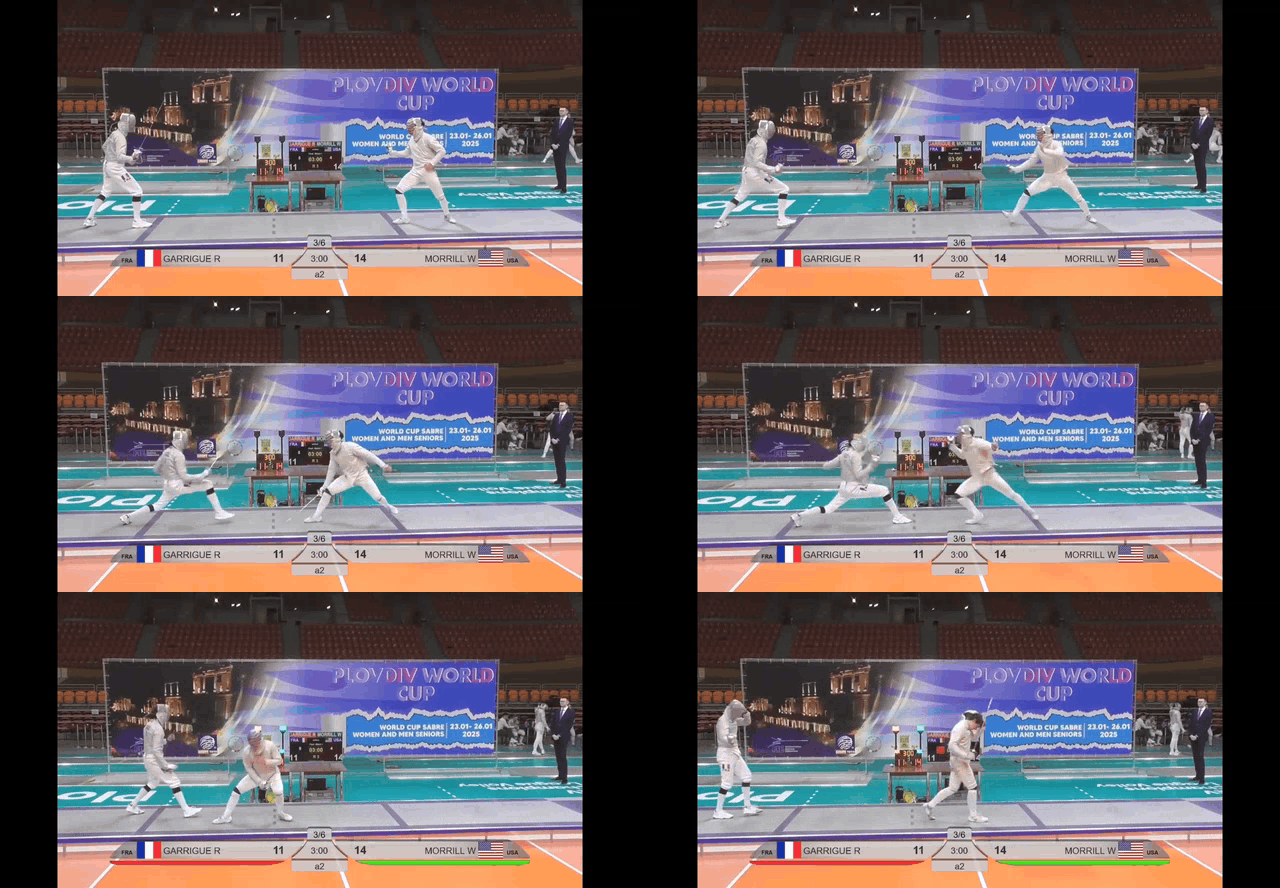
Scoring within the box (the first zone/the middle) is critical for winning modern saber fencing bouts. Since the lockout time increase in 2016, defense has become much less effective. Therefore, neither fencer ever wants to give up right of way (priority/the attack) within the box. The result is more touches scored in the box rather than on the long attack or defense. So how does a fencer get right of way while their opponent is trying to do the same? Here are four fundamental actions every saber fencer should master to dominate the box.
Direct Attack
A fencer executes a direct attack (simple attack/short attack) by stepping into the box, closing distance to the opponent, and finishing the attack. This action works best against a passive, reactive opponent. Here are some examples of successful direct attacks:
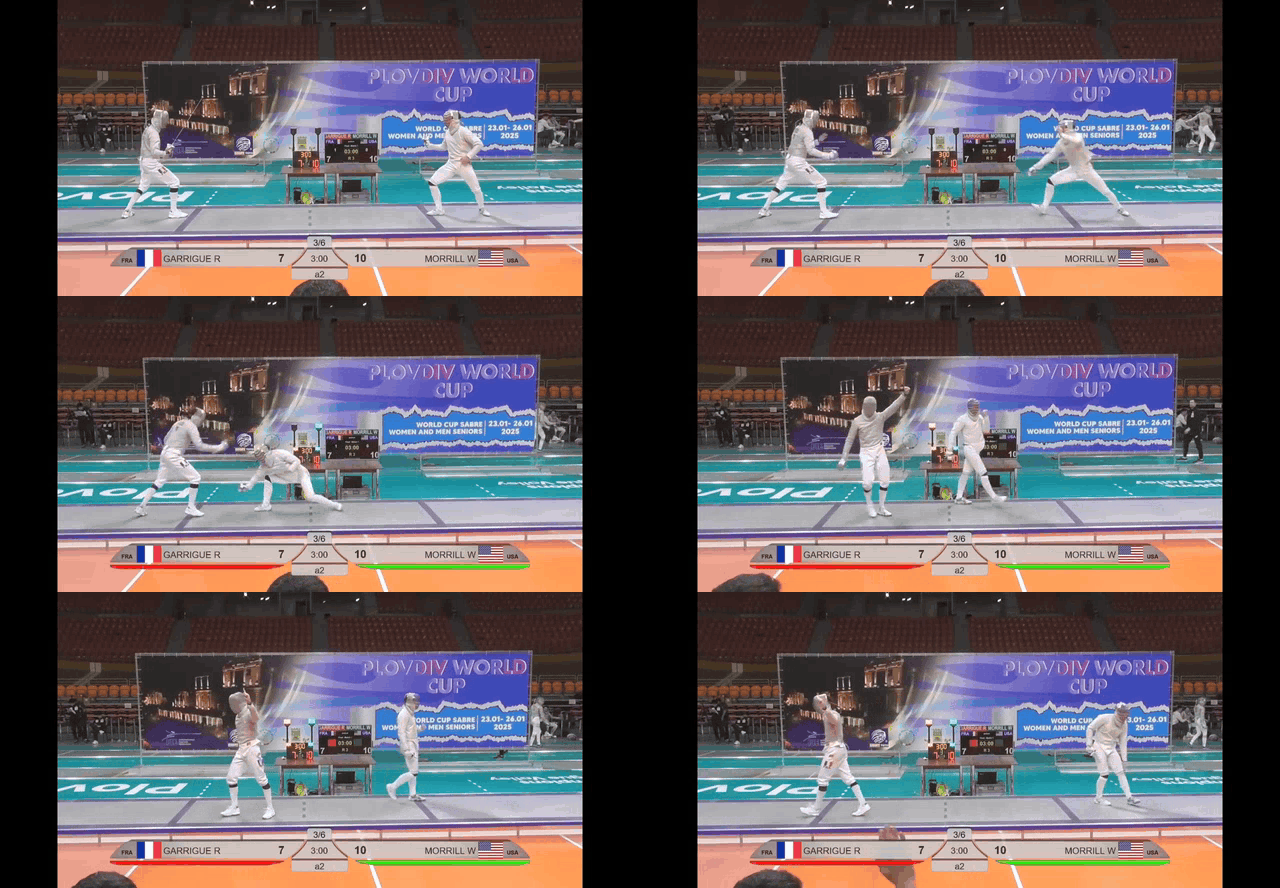
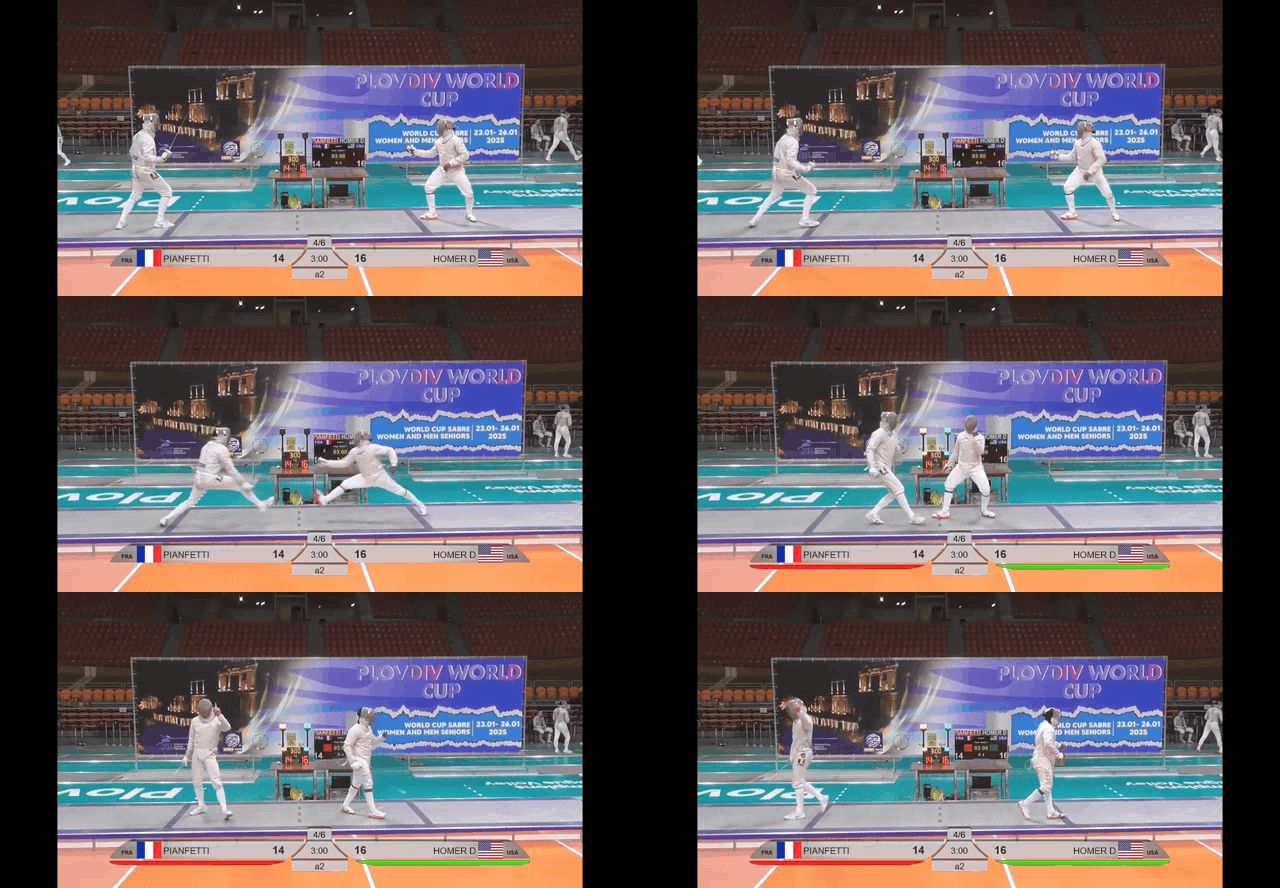
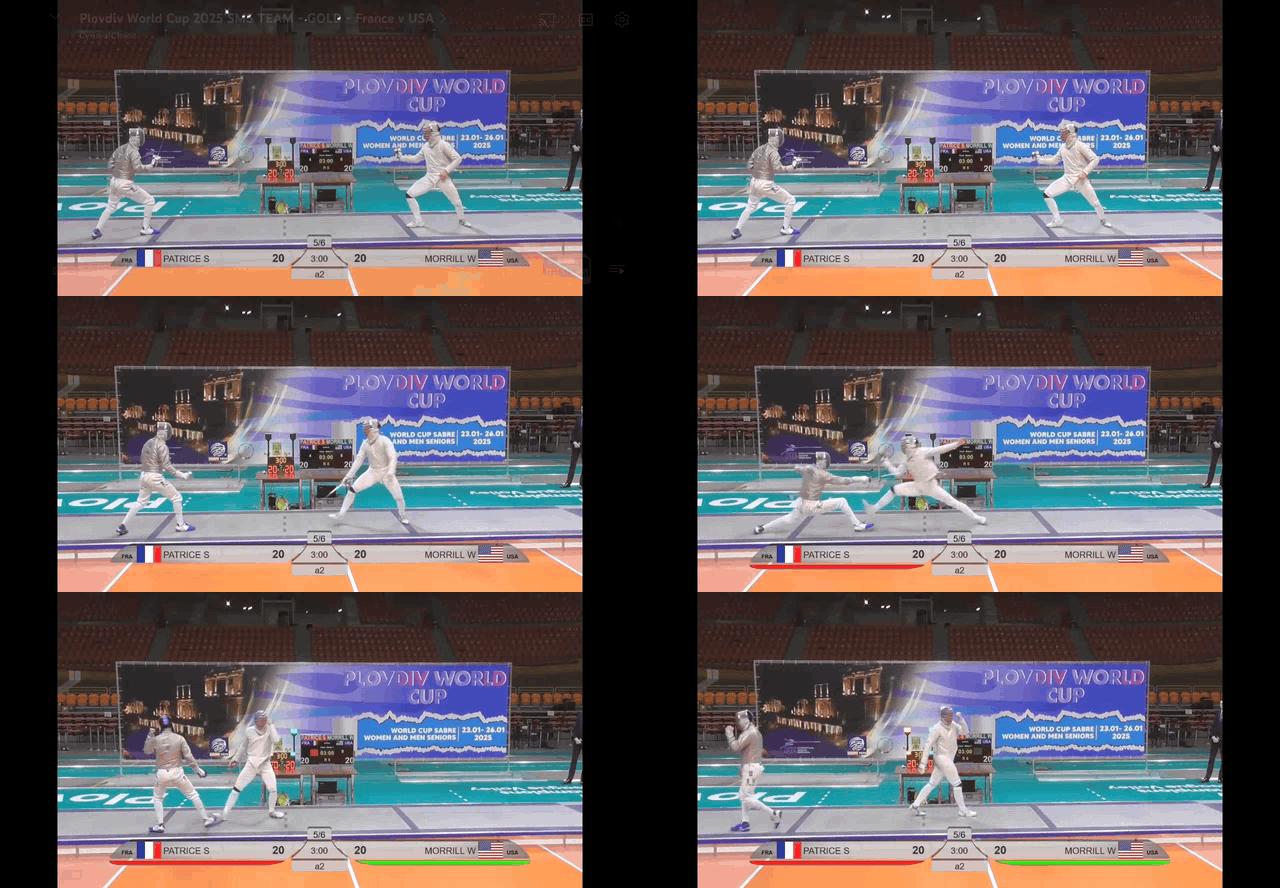
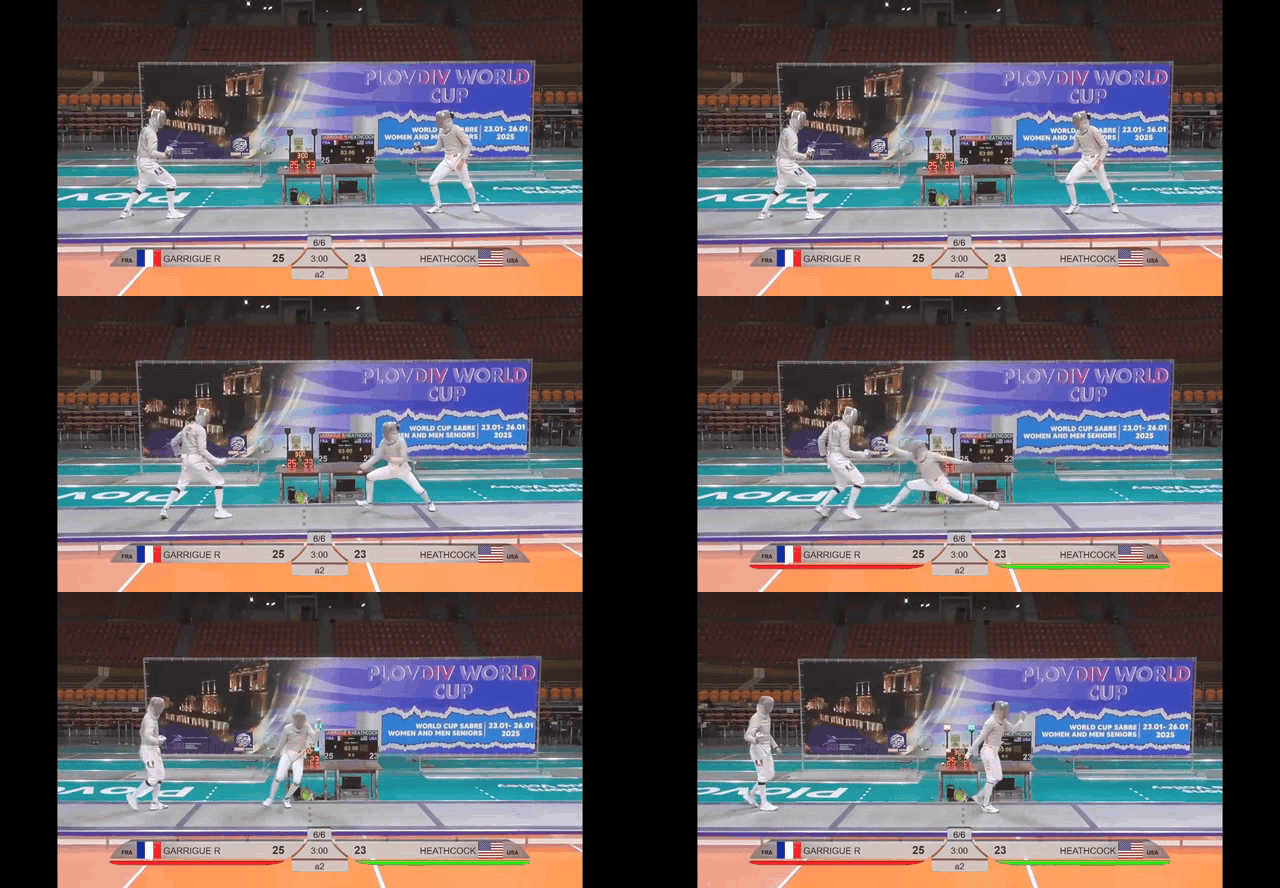
Direct attack is the simplest action. However, the fencer is vulnerable while closing distance to the opponent. In other words, the fencer is vulnerable while preparing to attack.
Attack in Preparation
A fencer executes an attack in preparation by stepping into the box, letting the opponent close distance, and finishing the attack before the opponent does. This action works best against an opponent who rushes forward. Here are some examples of successful attacks in preparation:
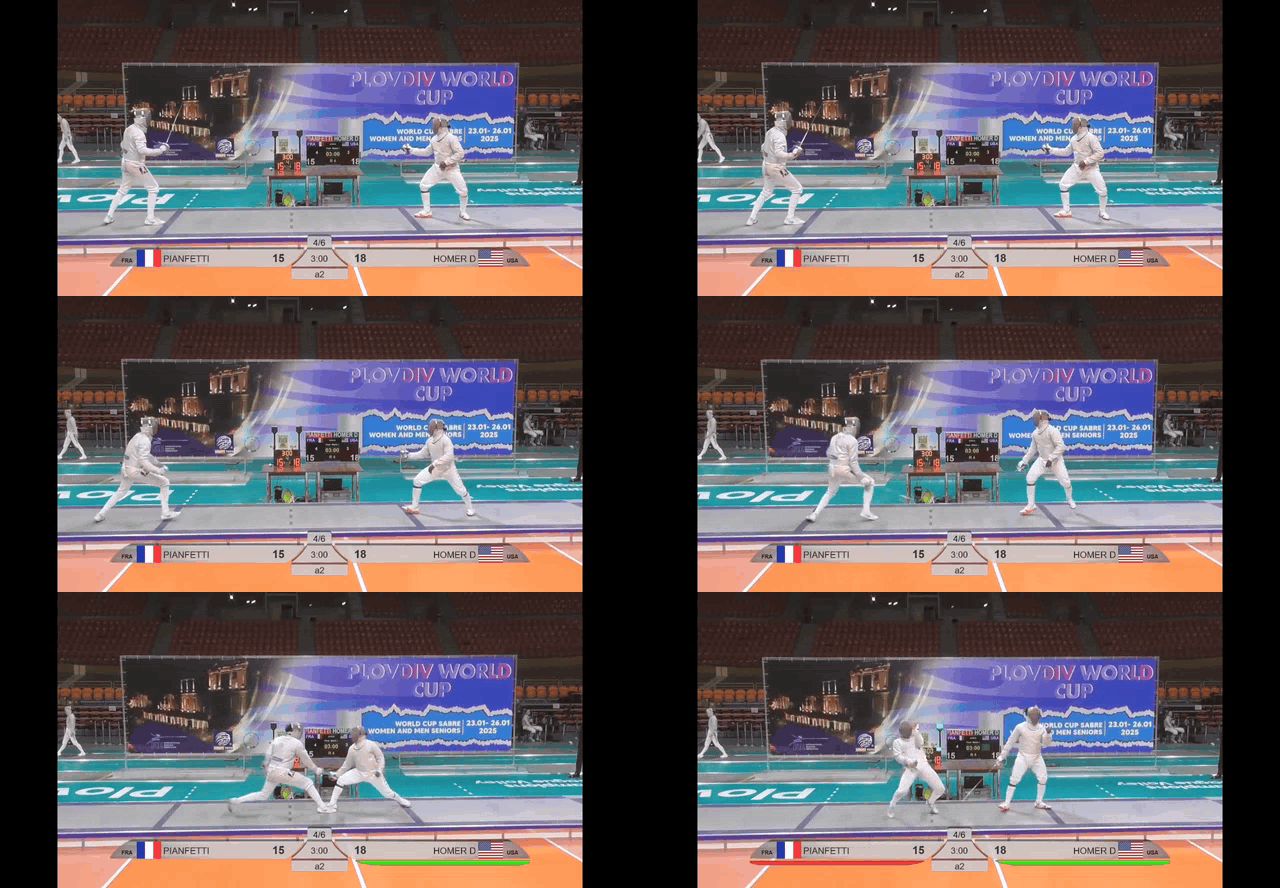

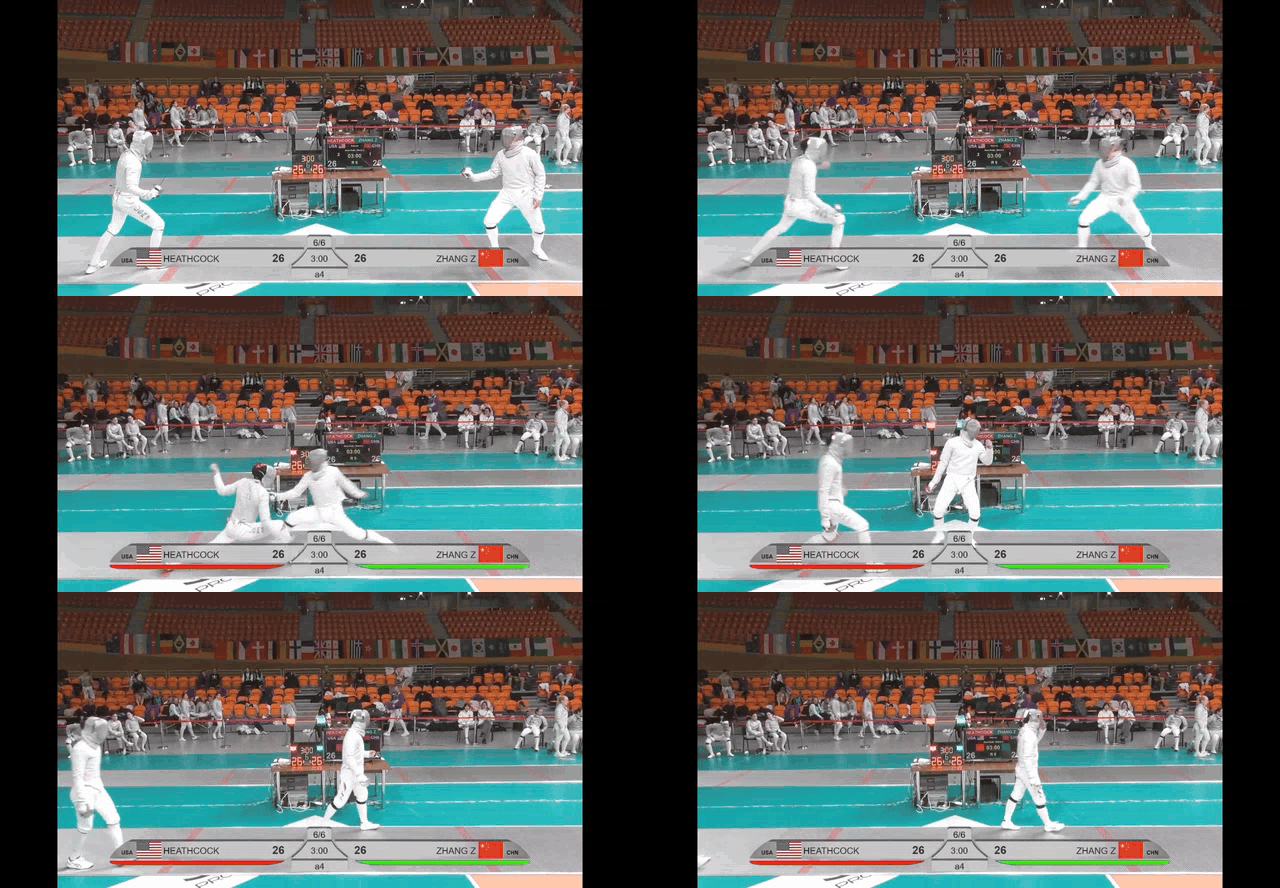

Attack in preparation is an effective action against a charging opponent. However, it requires perfect timing. Too late and the opponent gains right of way, scoring a direct attack. Too early and the attack falls short.
Pull
A fencer executes a pull (distance trap) by stepping into the box, making the opponent miss the attack, and landing the riposte. This action works best against an opponent seeking to finish the attack first. Here are some examples of successful pulls:
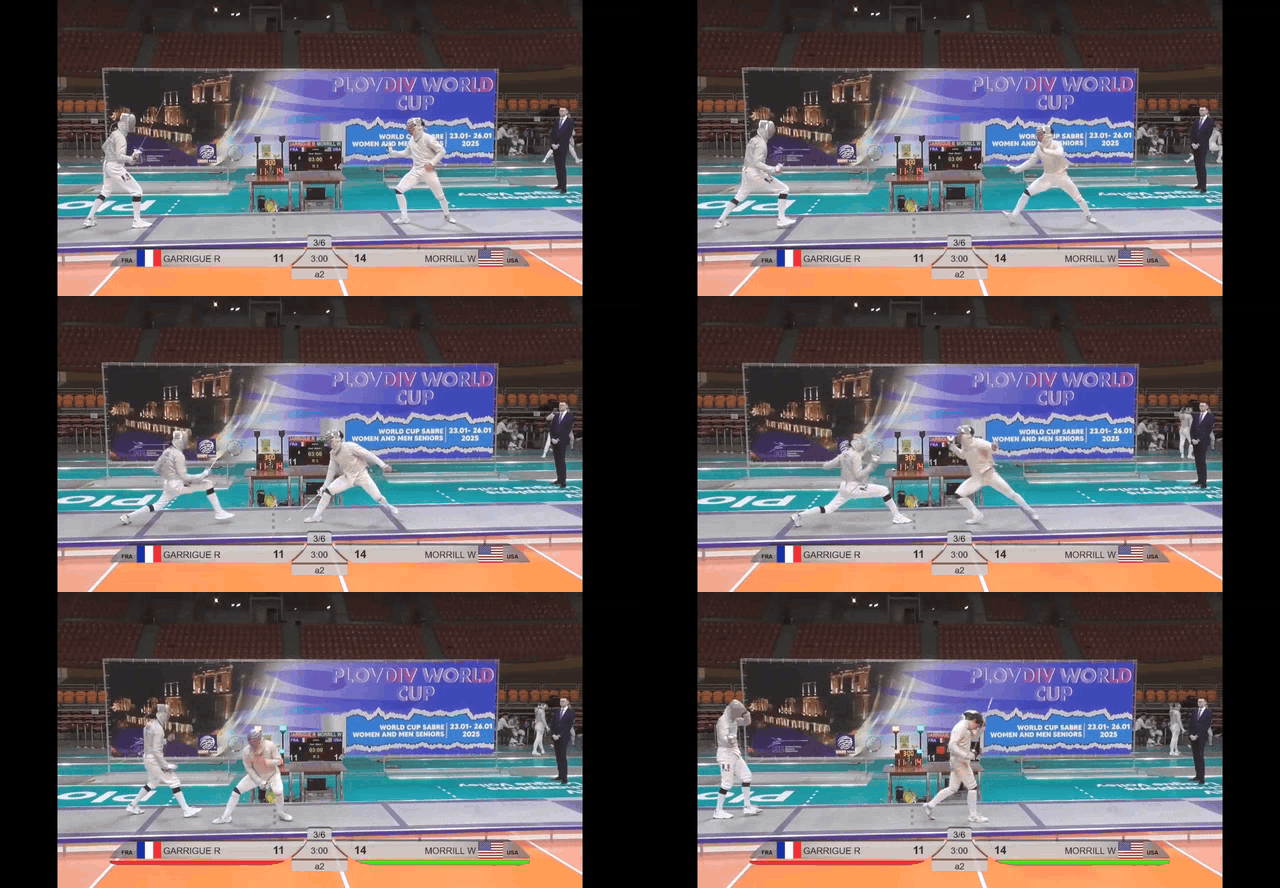
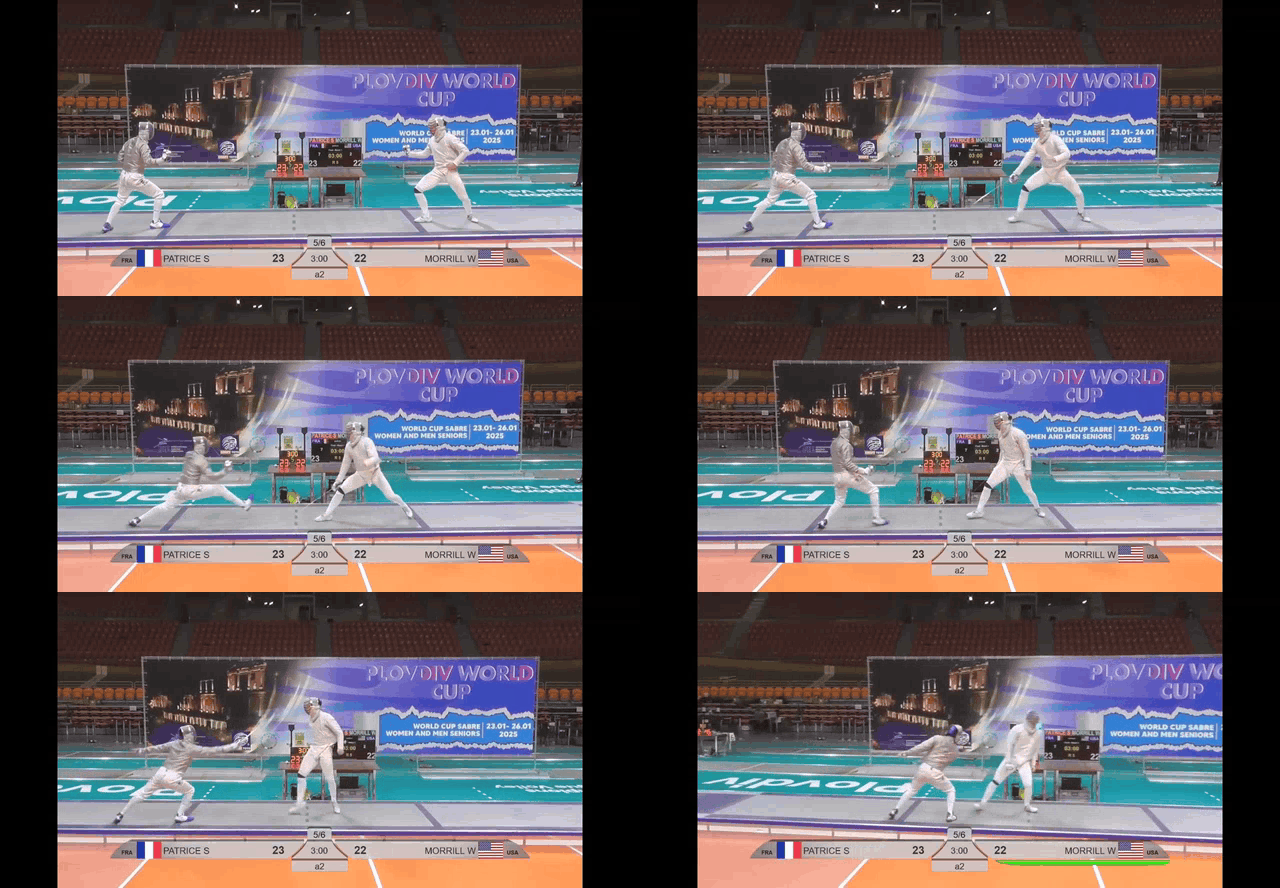
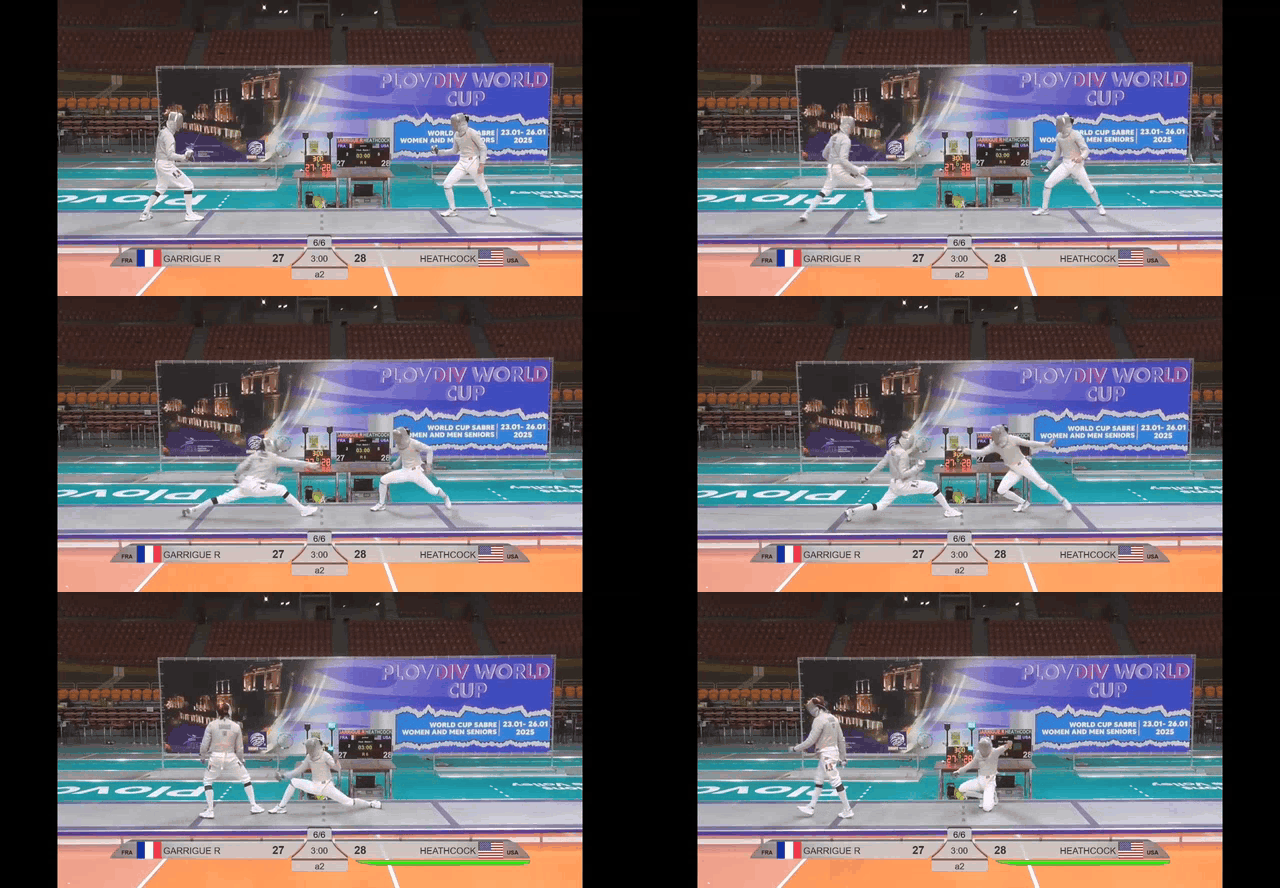

A pull is an effective action against a quicker attack. However, it requires perfect distance control to bait the opponent into falling short. If the opponent is not fooled, they are perfectly setup to perform a…
Reprise of the Attack
A fencer executes a reprise of the attack by stepping into the box, waiting for the opponent to stop the attack, closing distance, and finishing the attack. This action works best against an opponent baiting the attack. Here are some examples of successful reprises:

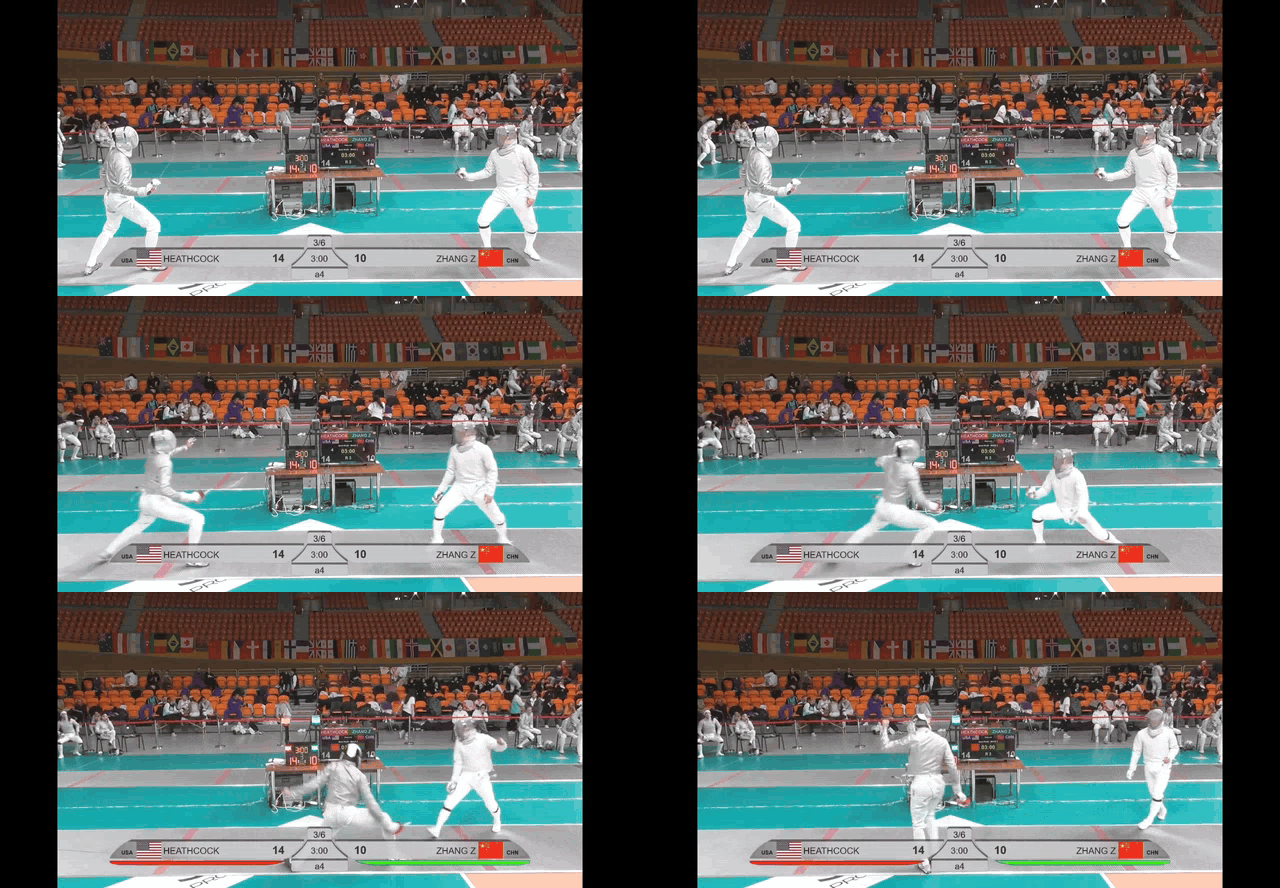
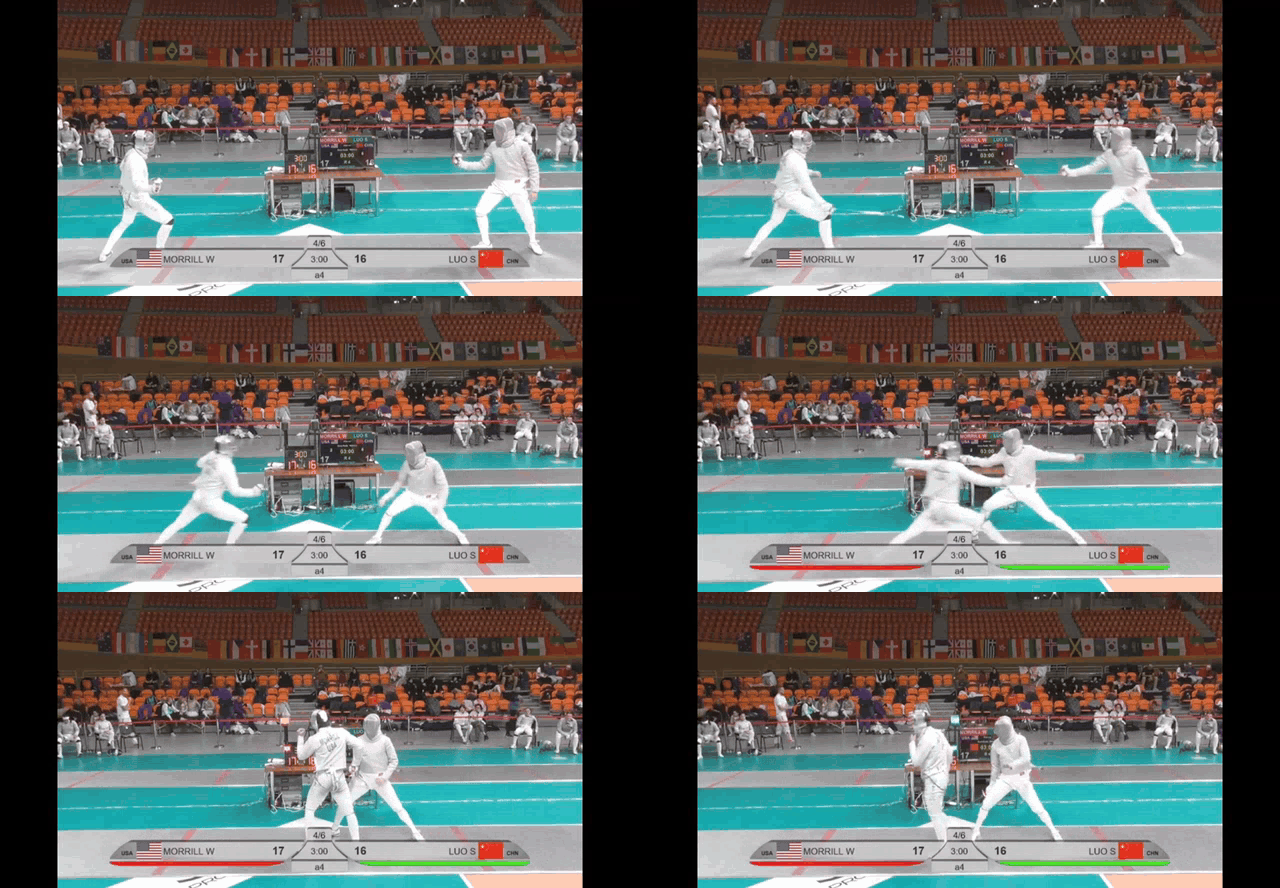

A reprise is an effective action against an opponent with good distance control. However, it requires the opponent to stop. If they do not stop, they will gain right of way and score a direct attack.
Conclusion
Mastering these four actions allows a fencer to score touches in the box in nearly any situation. Understanding the strengths and weaknesses of each action in relation to the others will enhance their effectiveness. These actions can also serve as templates for developing more specific and complex ones. Use them as guidelines, but make sure to experiment and create your own!
 Clear Cut Fencing