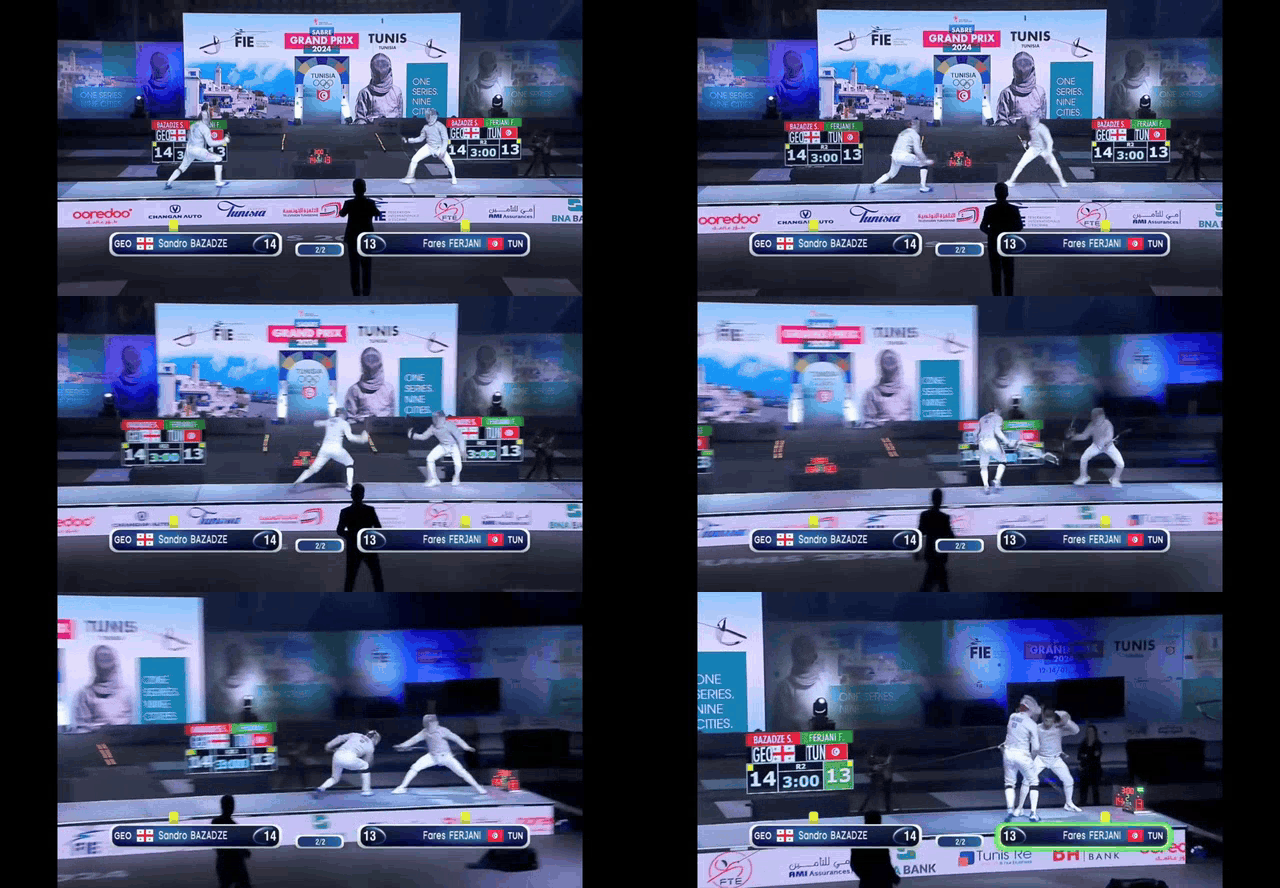
Defense in saber fencing can be daunting. It requires much more effort than attacking, with much less chance of success. However, scoring touches on defense is crucial to winning bouts. It is said that defense wins championships, and this holds true for fencing. So what tools can we use to create a robust defense?
Distance
The first line of defense is always distance. The ideal outcome for a defender is for the opponent’s attack to never even reach them. The defender should constantly move in and out of the attacker’s finishing distance to bait them into missing (falling short) or stopping.
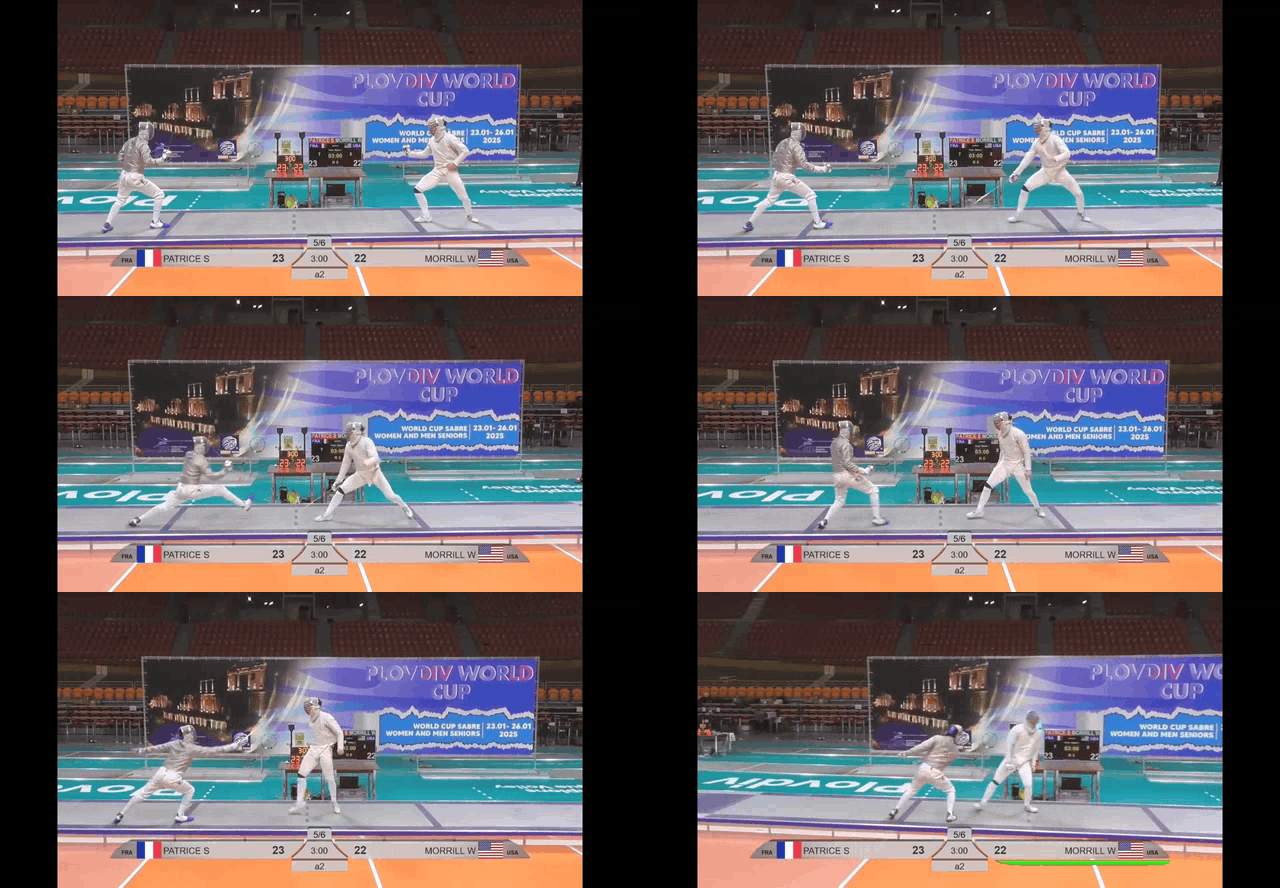
Miss
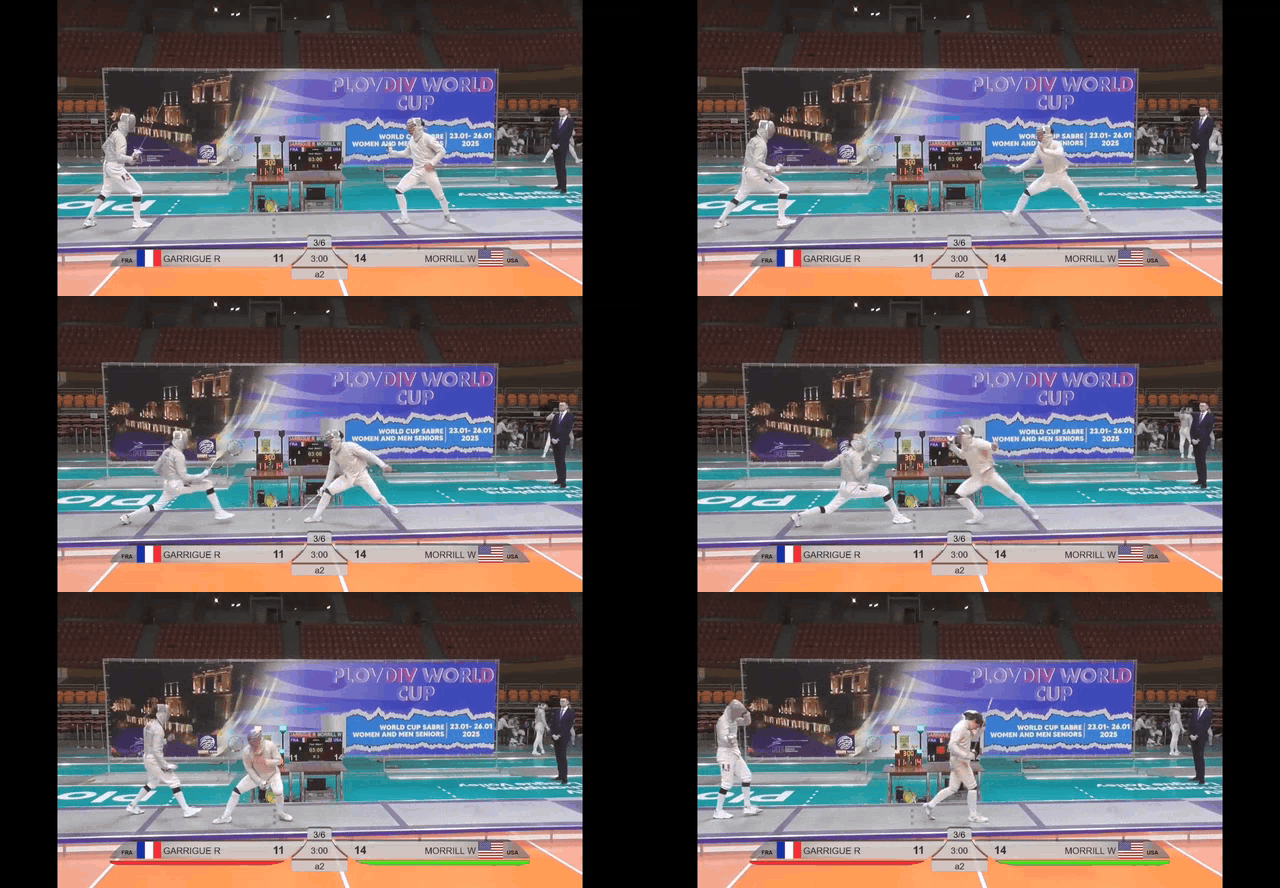
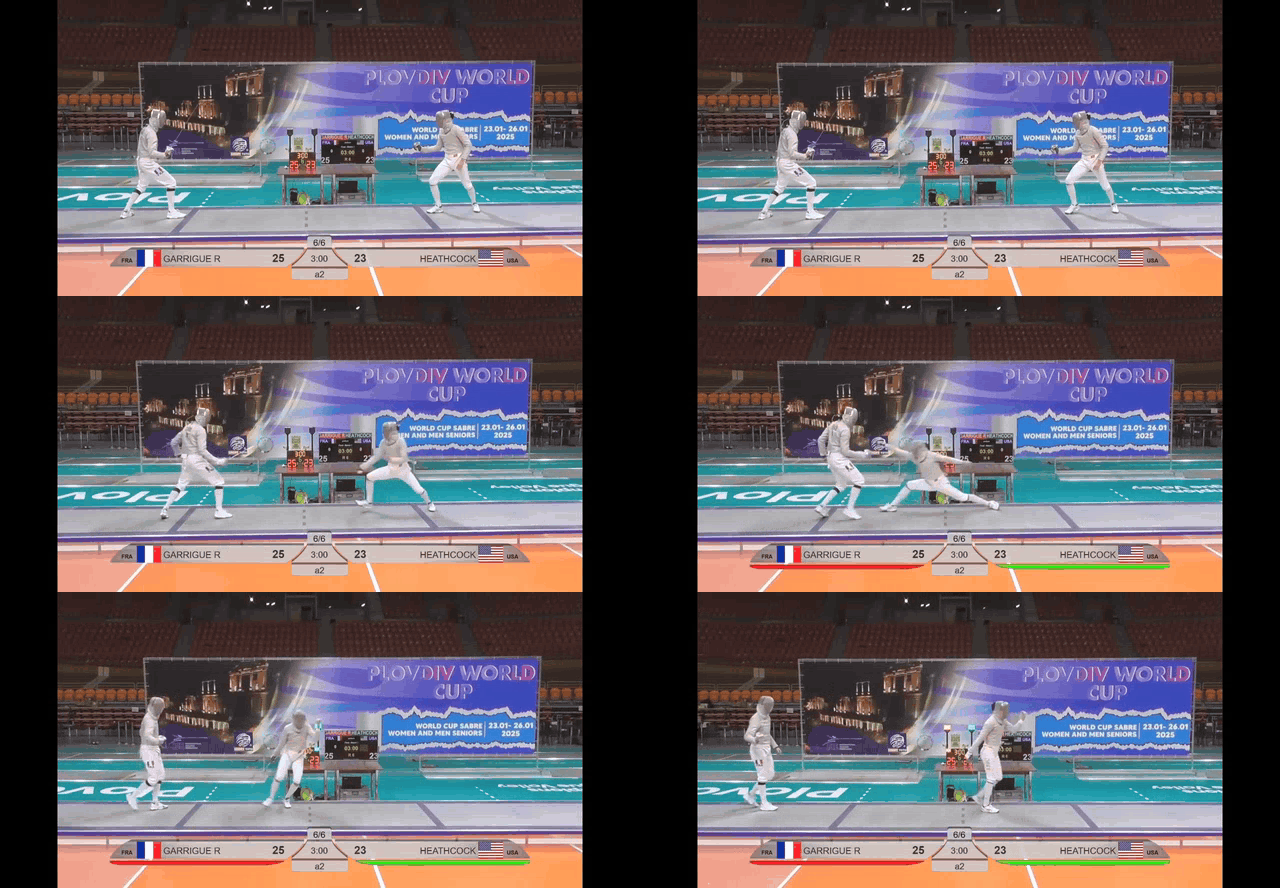
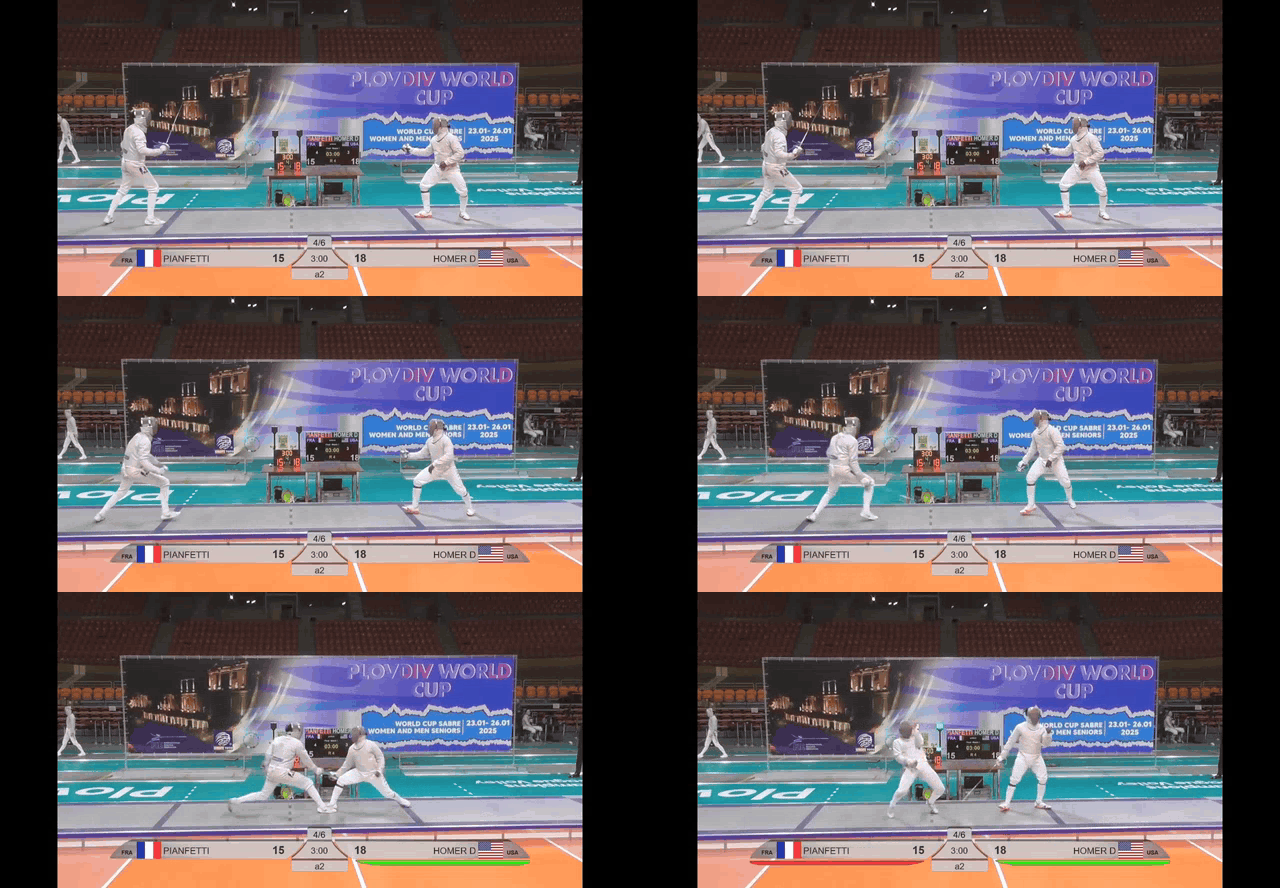
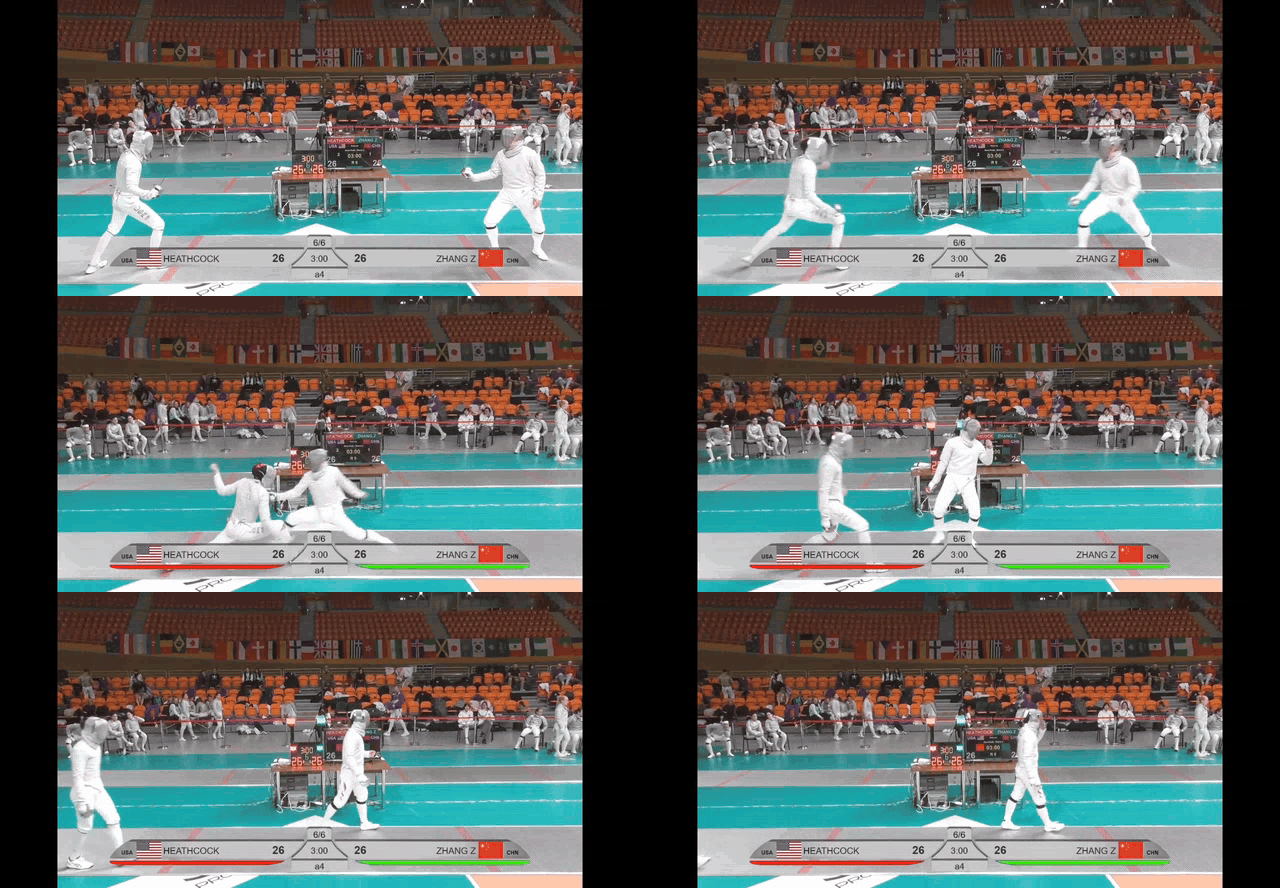
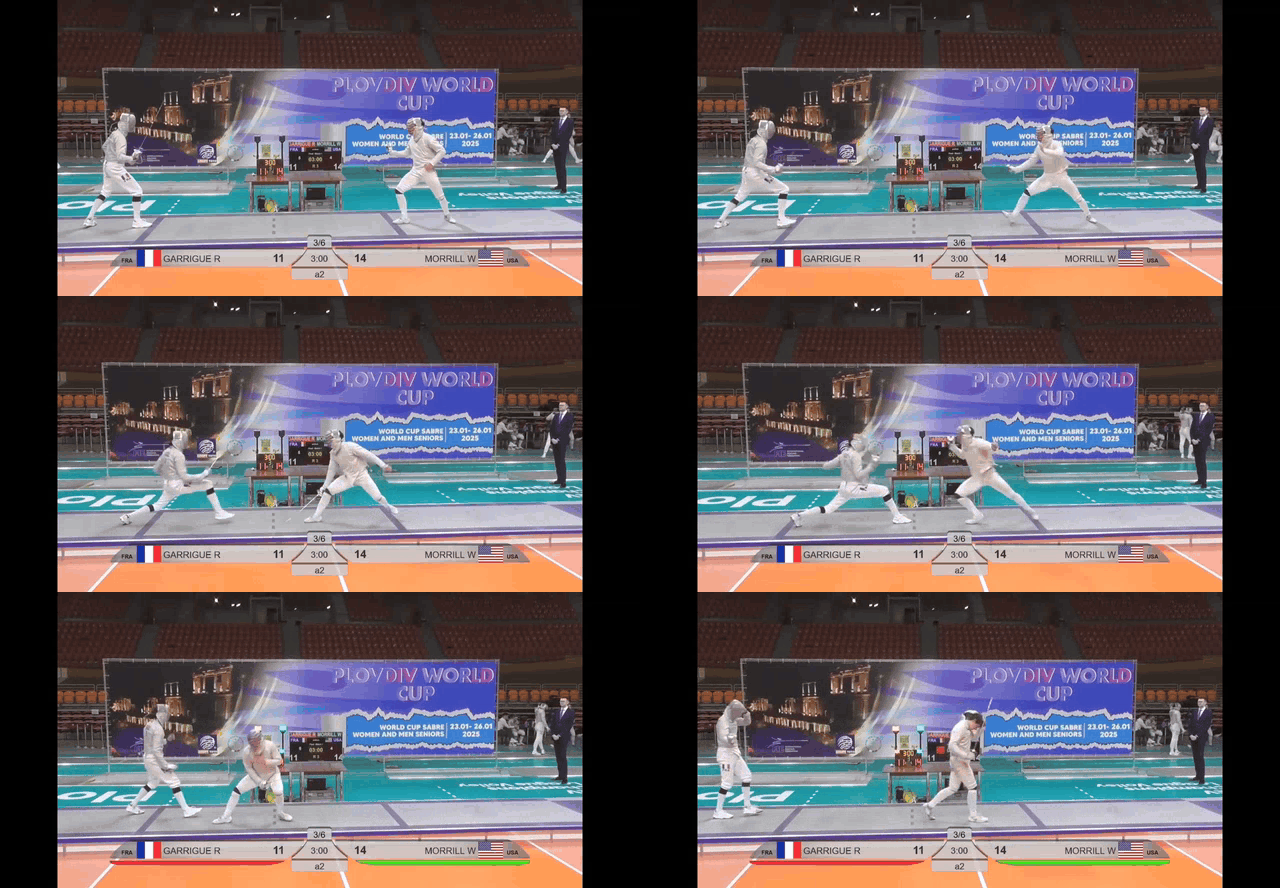
One way to defend with distance is to make the opponent miss their attack, then riposte. Example:
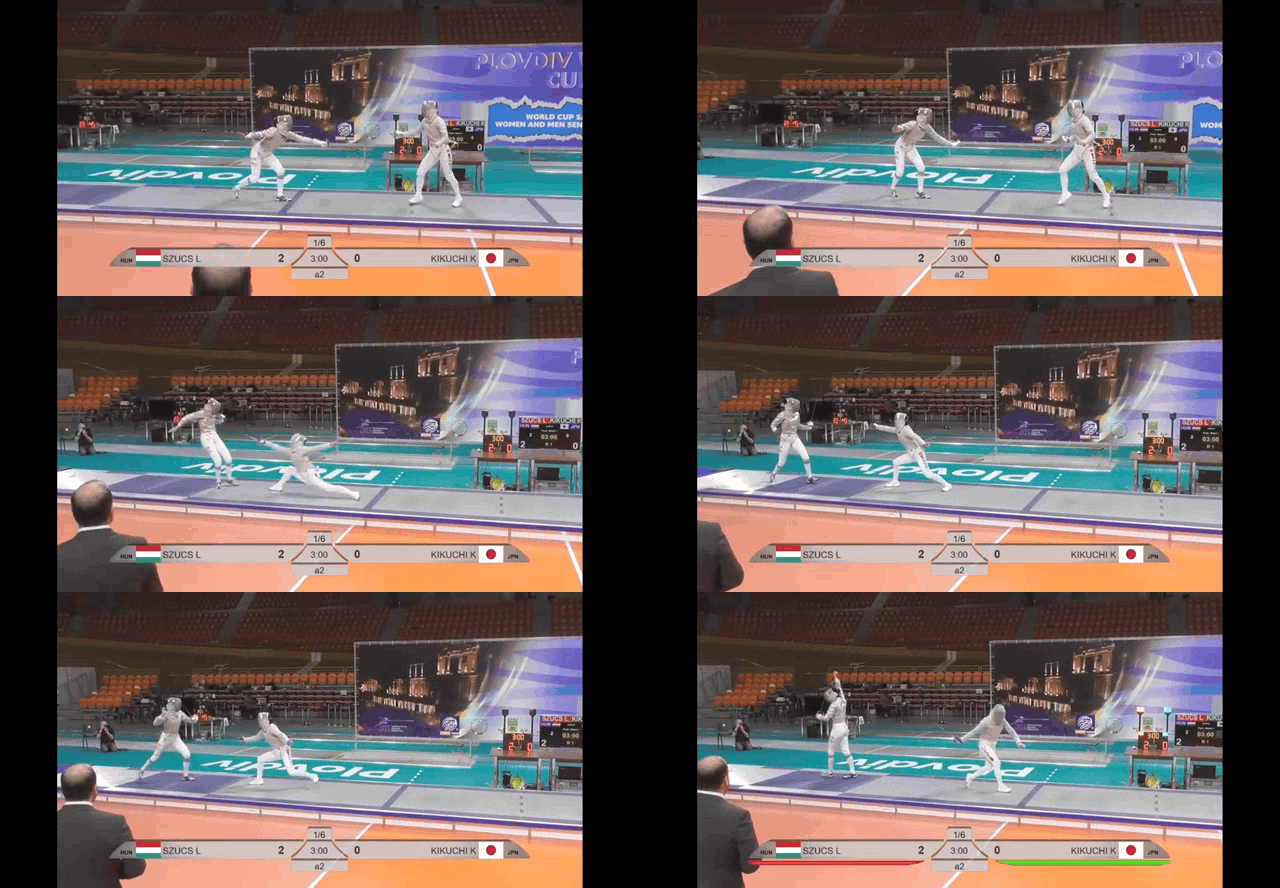
Stop
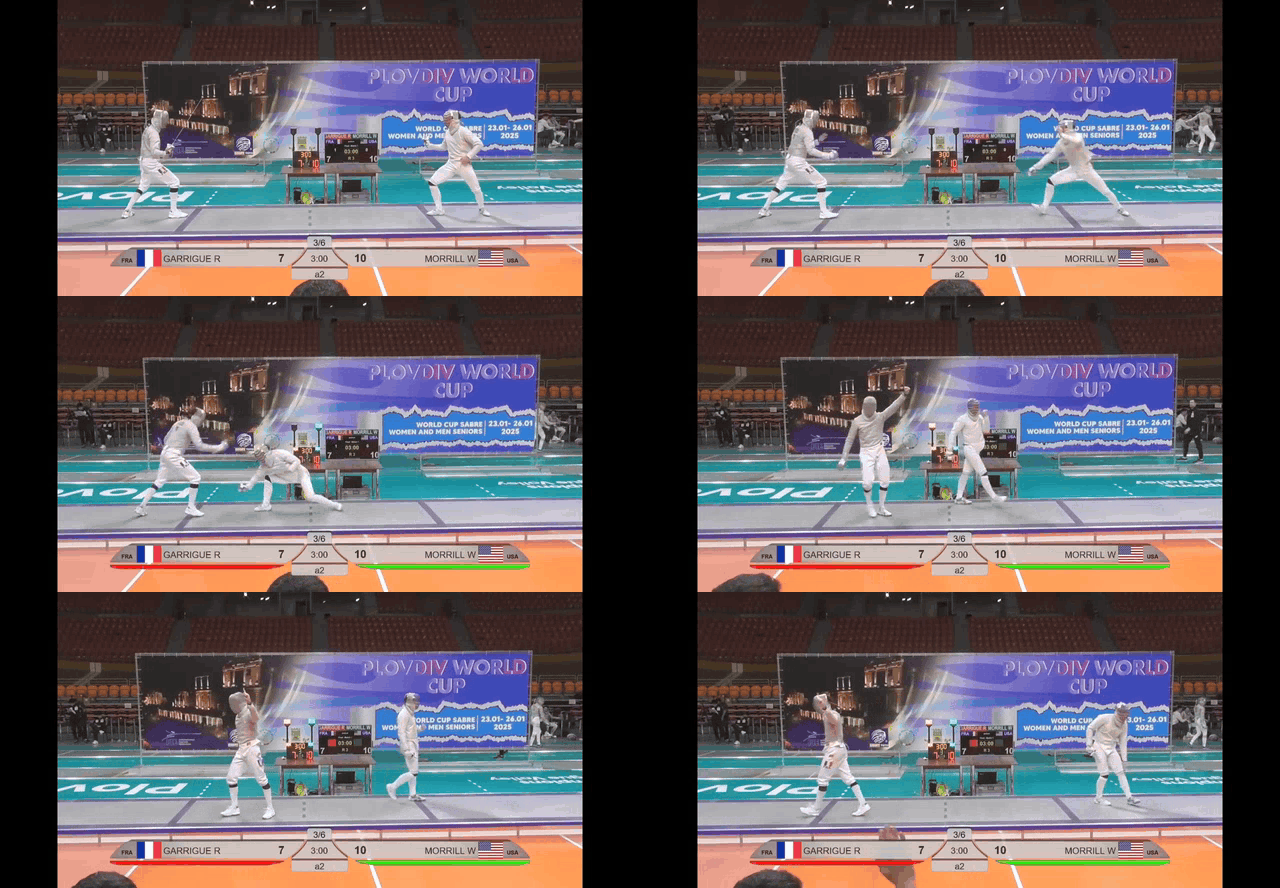
Another way to defend with distance is to make the opponent stop, then take over right of way (priority) and finish the attack. Example:

Even if the defender fails to make the attacker stop or miss, they are still well positioned to execute any other defensive action. Therefore, distance control is a prerequisite for every other defensive action.
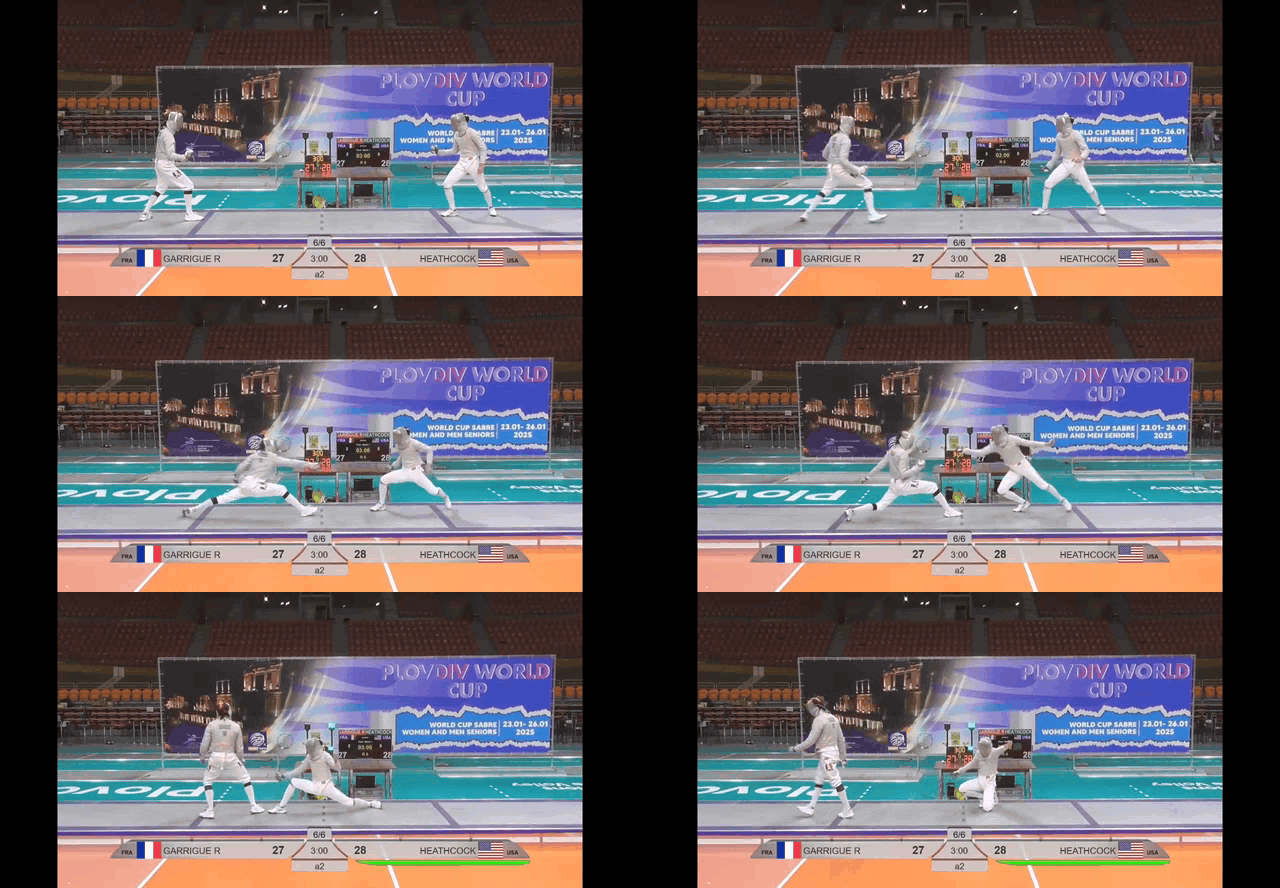
Point in Line
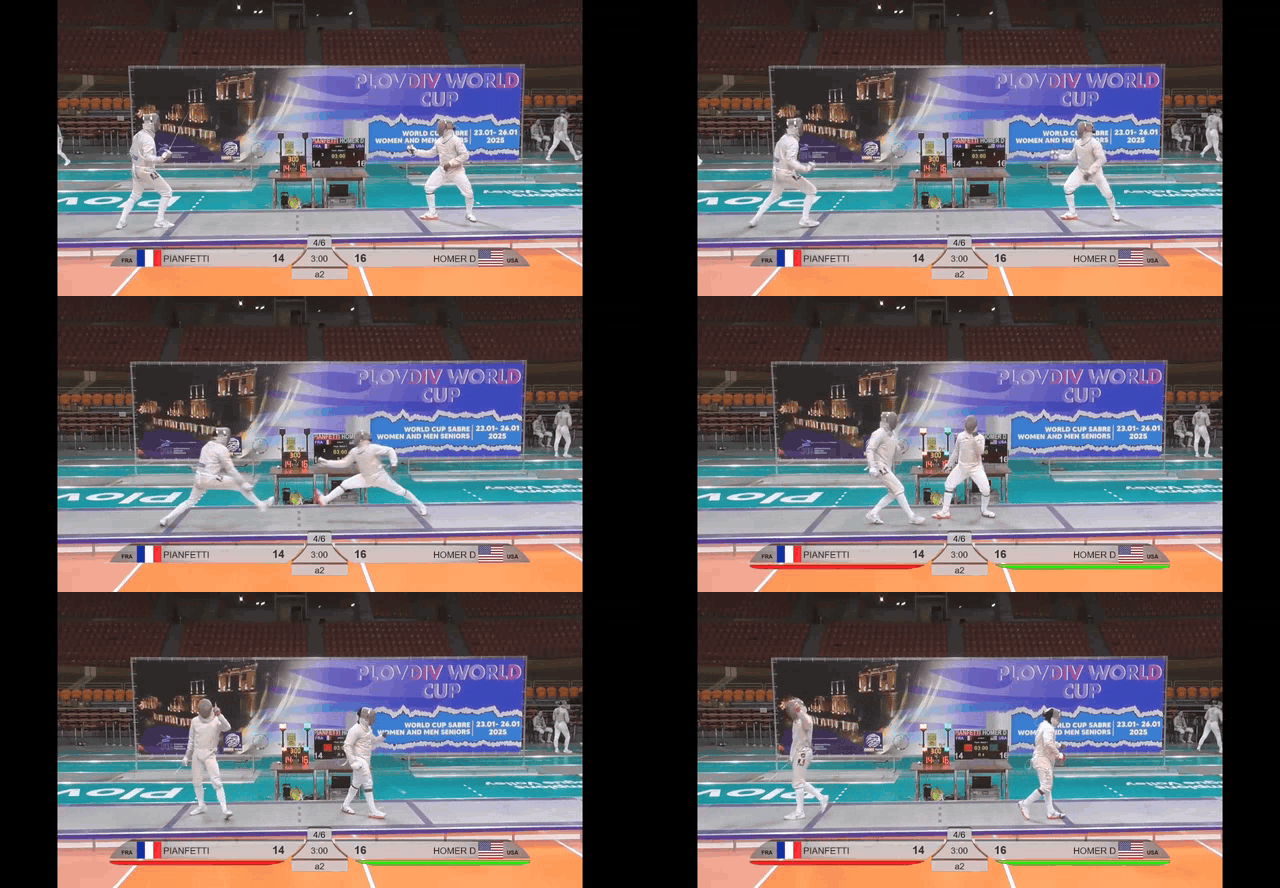
Point in line (line) is the easiest way for a defender to take over right of way. However, it is relatively easy for the attacker to beat the blade and regain priority. To establish point in line, the defender must retreat out of the attacker’s finishing distance, fully extend their arm, and threaten the attacker’s target area with the point of the blade. To score with point in line, the defender must finish their attack with the point of the blade while avoiding the attacker’s beat. Example:

Point in line is a great tactic to pressure the attacker into making a mistake. This allows a defender to use it either to score, or to distract the attacker while setting up another defensive action.
Blade Actions
Although distance is the first line of defense, it is not always possible to pull the attacker short. In these situations, blade actions are an effective supplement. The defender can either parry the attack, or take the blade (beat/prise de fer).
Parry
The defender blocks the opponent’s attack with their weapon, then does a riposte. Example:

Taking the blade
The defender takes control of the attacker’s blade by hitting the top part of it, then does a riposte. Example:

These types of blade action are similar, but distinct. Taking the blade is active, and parrying is reactive. The defender initiates blade contact when taking the blade, but waits for the attacker to finish when parrying.
Counterattacks
Counterattacks are the last line of defense because they are risky. Unlike the previous actions, the defender does not have right of way while counterattacking. Therefore, counterattacks must be one light for the defender to score the touch. Two methods of counterattacking are blockouts (lockouts) and stopcuts.
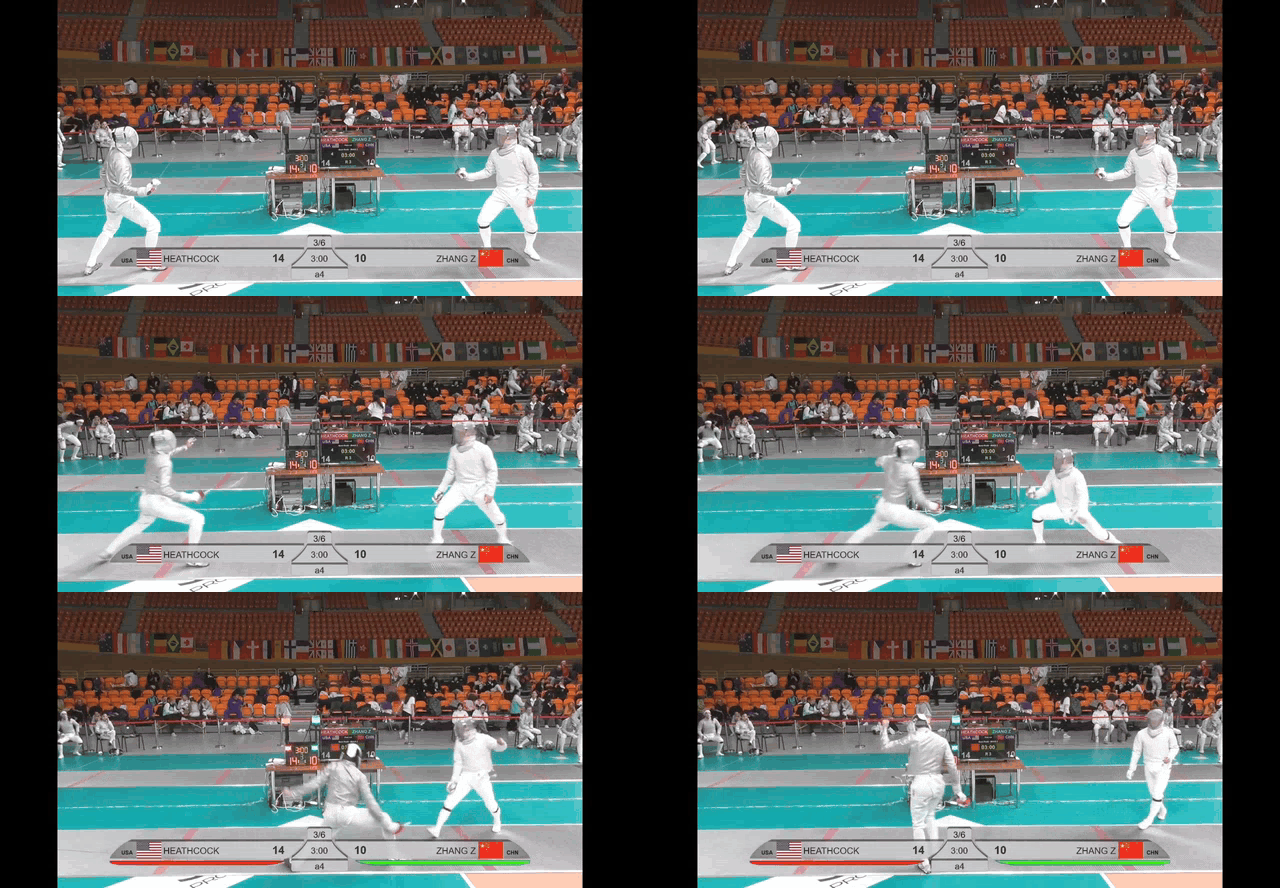
Blockout
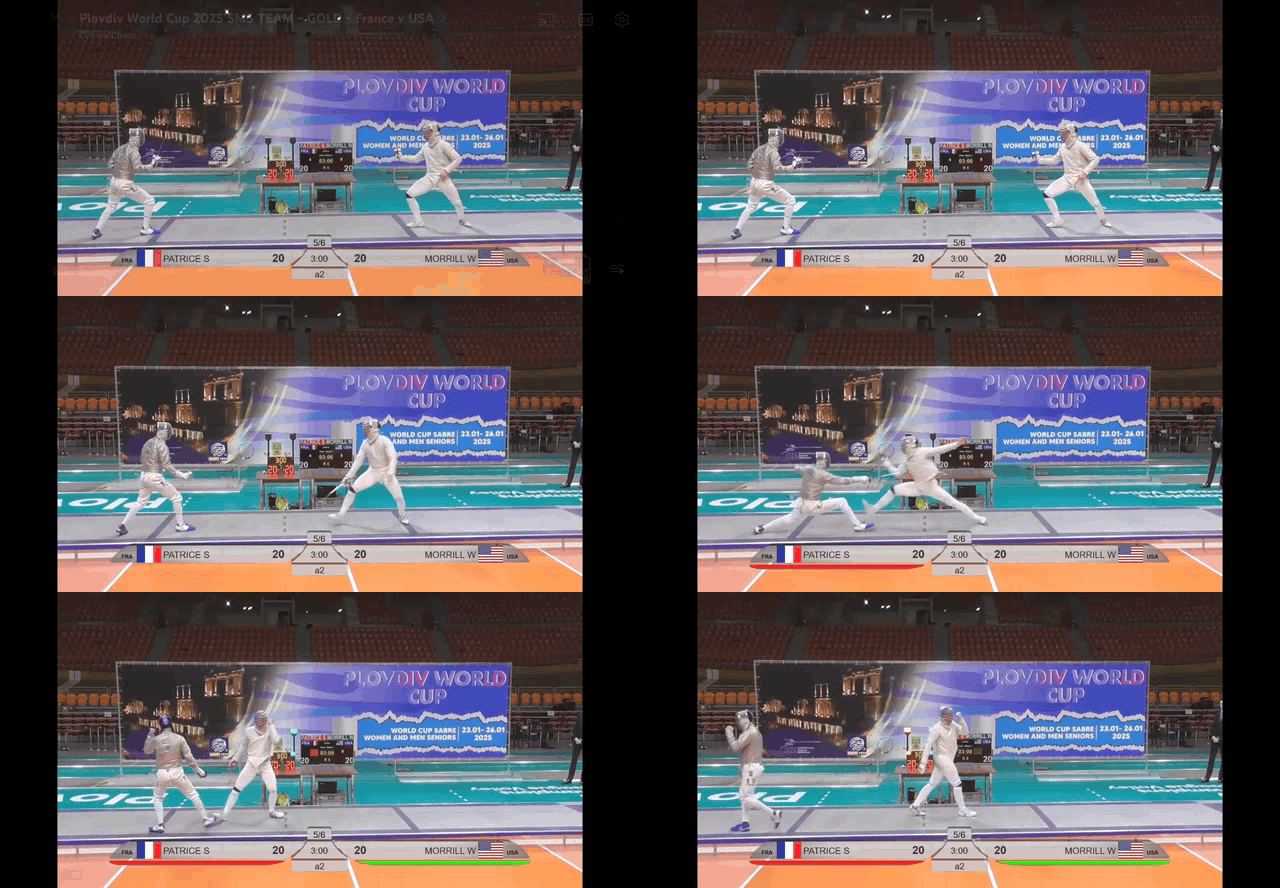
The defender waits for the attacker to come within reach, cuts to the head, and parries (usually parry 4) before the attacker can finish. This type of counterattack is effective when the attacker comes too close to the defender before finishing. Example:
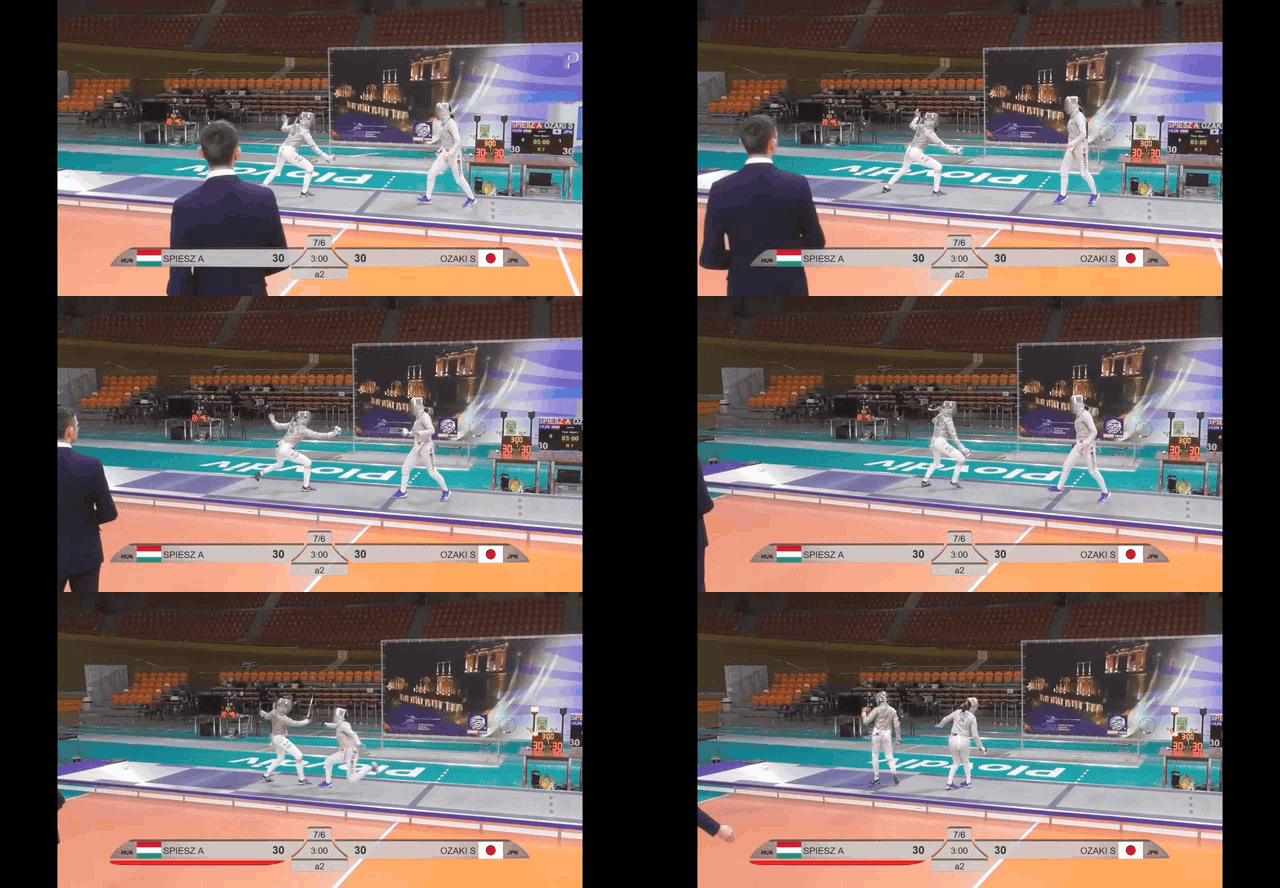
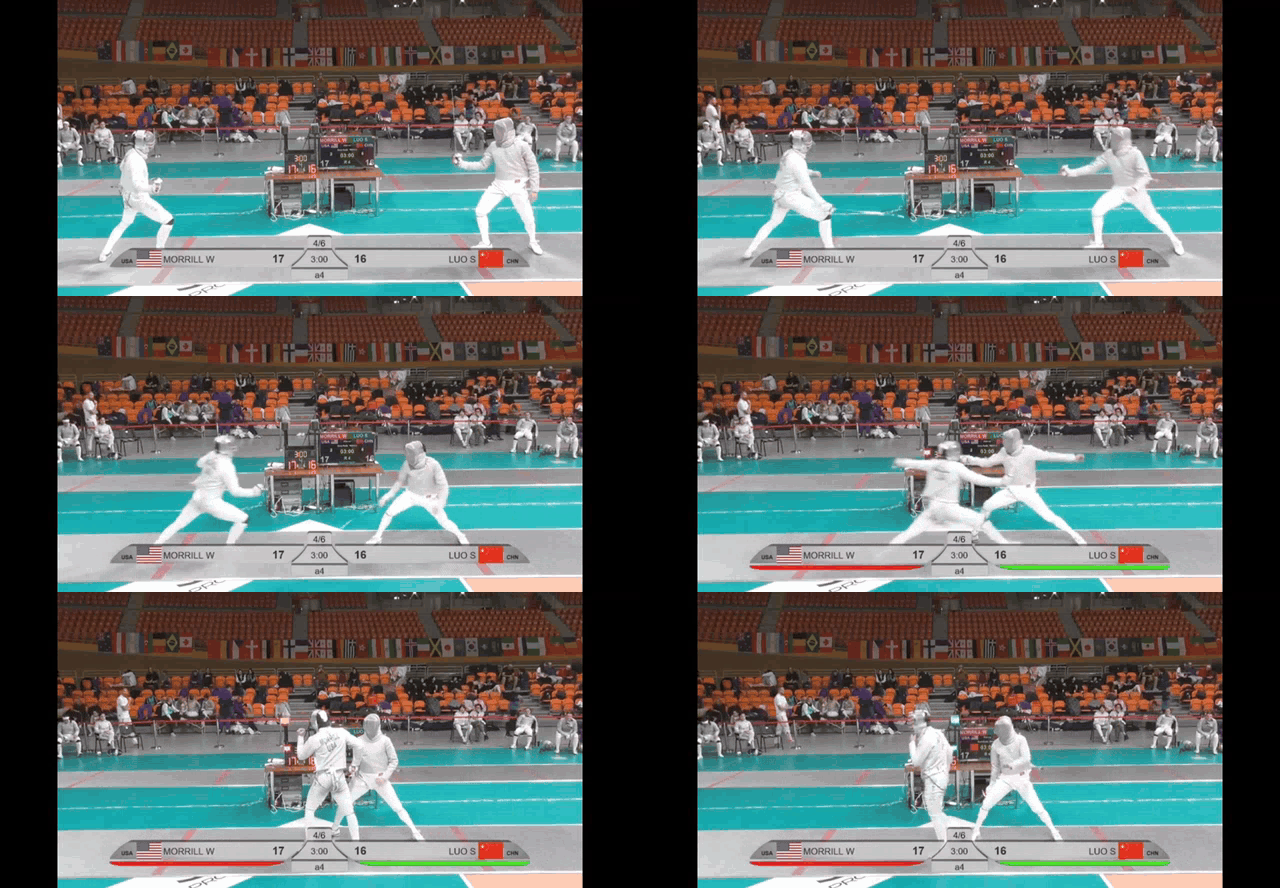
Stopcut
The defender waits for the attacker to come within reach, cuts to the forearm, and retreats out of the attacker’s reach. This type of counterattack is most effective when the attacker exposes their arm while finishing. Example:
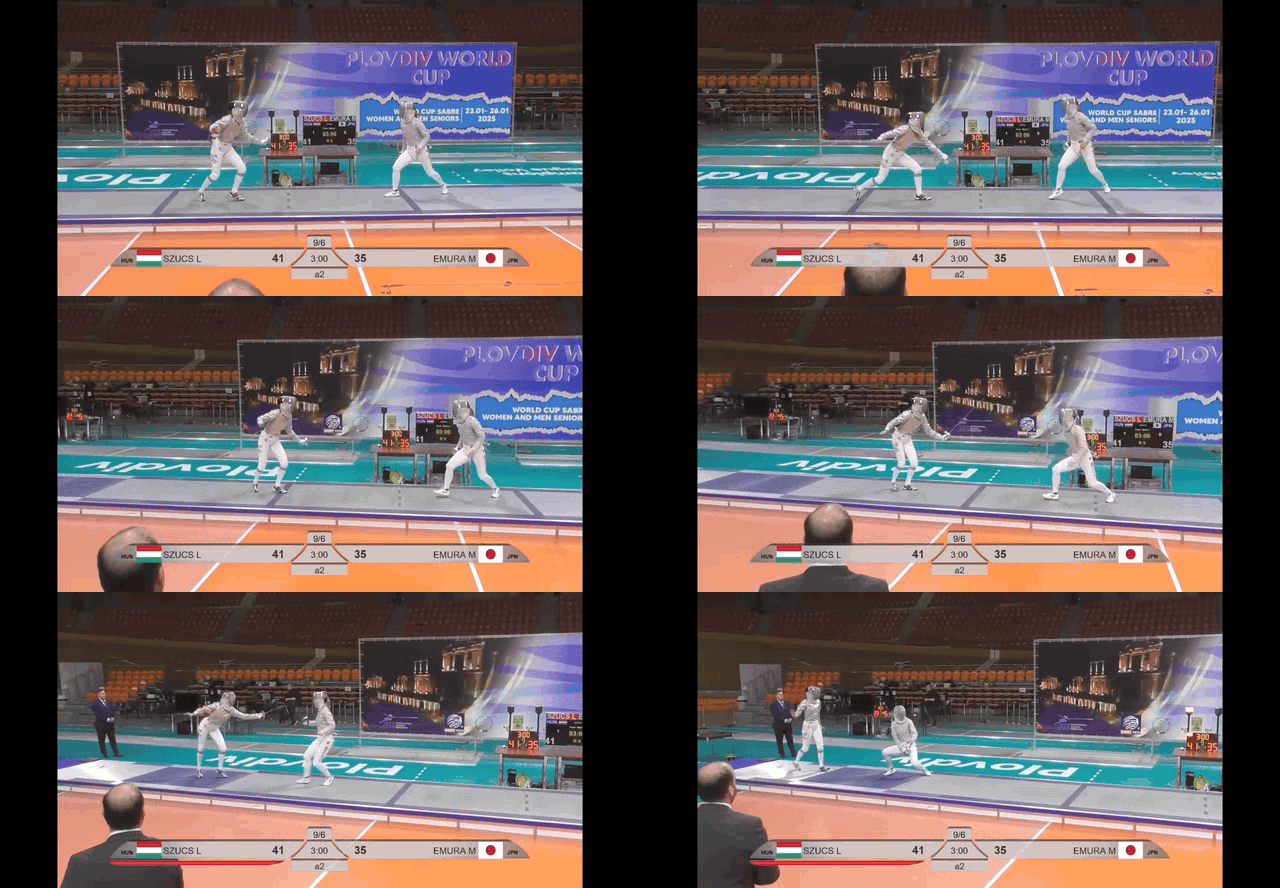
Counterattacks are usually only successful when the attacker feels threatened by other defensive actions. The defender should vary their actions to maximize the effectiveness of their counterattacks.
Putting it all together
A defender must use all these actions to score touches. The threat of each type of action increases the effectiveness of the others. For example, an attacker scared of the counterattack may be more vulnerable to blade actions, and vise versa. Always use distance as the first line of defense, and never let the attacker predict your action.





 Clear Cut Fencing